The double side of procurement and the strength of partnerships take centre stage at AHI Days
28-04-2026On day one of the Affordable Housing Initiative Days in Guimarães, Portugal, the conclusion that stood out was that delivering affordable homes in Europe will depend on finance, but also on smarter procurement and stronger partnerships.
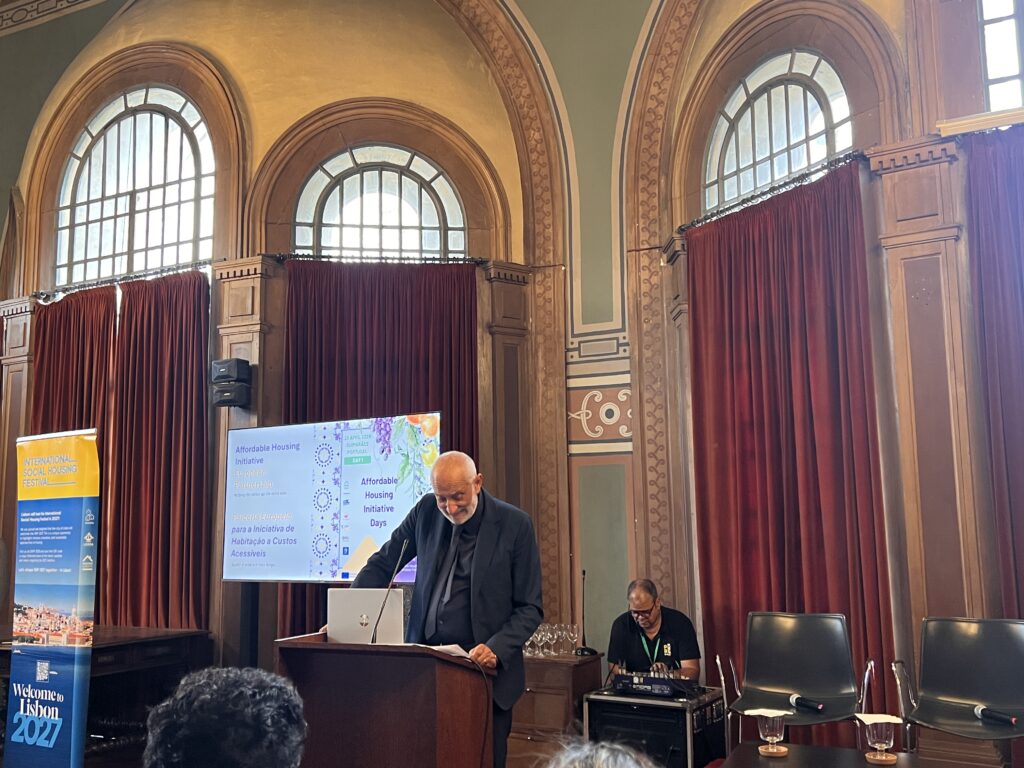
Opening the seminar, Housing Europe President Marco Corradi said Europe is facing “a profound transformation of housing”, stretching from individual buildings to entire districts. His message was that housing must be understood as social infrastructure, requiring coordinated action from EU institutions, cities, providers, businesses and citizens alike. In his view, the current crisis can also become an opportunity to redesign neighbourhoods, services and cities around people’s real needs.
Procurement – the Good, the Bad and the Roadmap
That theme ran through the first session, where speakers argued that public procurement can no longer be treated as a purely legal or administrative process. Moderator Fernando Sigchos Jimenez from the European Builders Confederation noted that procurement is still too often approached as compliance rather than strategy, despite the fact that it shapes innovation, determines whether local companies can compete, and influences outcomes for communities.
The “Good”: success stories in public procurement
Examples from the ground showed what a more strategic approach can achieve. Chiara Stanghini presented the Milan experience, where four social housing towers are being renovated through industrialised methods inspired by the Energiesprong model and developed through the Offsite Hub Italy initiative. The approach combines modern methods of construction, prefabricated solutions and long-term planning to cut delivery times and improve performance. Residents are involved throughout the process, while projects integrate rooftop shared gardens and guaranteed thermal energy savings of at least 30%. She also pointed to the wider ambition: moving from one successful pilot to a toolbox that can help Milan procure renovation at scale and replicate the model in other cities including Rome, Naples, Vicenza and Brindisi. Her message captured the scale of the challenge ahead: “We need to renovate more than one home per minute.”
From Bilbao, José Maria Escolástico showed how transparency and measurable social value can strengthen confidence in public investment. Alongside technical construction outcomes, the city also evaluates employment creation, gender equality and environmental criteria. In other words, procurement is being used not only to buy works, but to generate wider public value.
The “Bad”: practical struggles with procurement
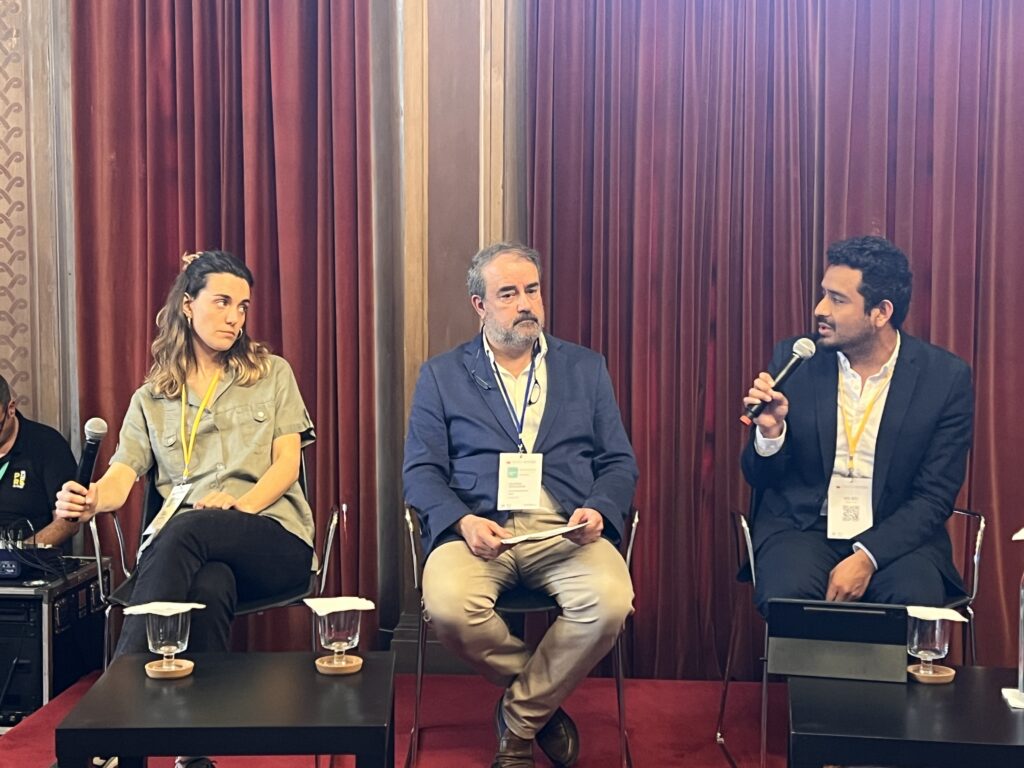
However, the barriers remain substantial. Representing the Federal Association of German Housing and Real Estate Companies Associations (GdW), Özgur Öner brought the perspective of housing providers that work primarily with smaller construction firms rather than the big five major market players. His message was that many SMEs simply do not have the resources to dedicate staff to lengthy procurement procedures, particularly when outcomes are uncertain and bidding can feel “like winning the lottery”. He noted the growing list of expectations placed on contractors to be fast, cheap, responsible and innovative at once, while warning that excessive complexity risks excluding exactly the firms Europe needs to deliver renovation locally. He also pointed to the unfinished Single Market in construction. Crossing a border to build in another Member State often means entering a completely different legal reality, a risk many smaller firms are unwilling to take, he said.
From a city perspective, Benedek Jávor from the City of Budapest argued that municipalities are too often pushed towards the cheapest offer, even when it fails to deliver the best long-term result. He questioned whether Europe’s ambition around “Made in Europe” and stronger local supply chains is fully reflected in procurement rules that still make it difficult to prioritise local value. He also pointed to the practical pressure cities face when funding windows are short and implementation deadlines tight. Looking ahead, he highlighted one of Budapest’s most ambitious urban regeneration plans – the redevelopment of an 80-hectare former railway area into a new district that will include affordable housing. For such projects to succeed, he said, cities need private investors willing to work with municipalities in pursuit of the public good, as well as stronger mechanisms for cities to exchange knowledge and experience across Europe.
From a regional innovation perspective, Michele Bartolomei of ART-ER Emilia-Romagna argued that one of the biggest obstacles is not only regulation itself, but the growing complexity of managing procurement processes. Too often, public authorities lack the specialist skills needed to design effective tenders, calibrate criteria properly and coordinate the different actors involved, from designers and contractors to suppliers. His conclusion was that Europe needs less rigidity, but far more know-how, technical capacity and training if procurement is to become a genuine delivery tool.
The Roadmap
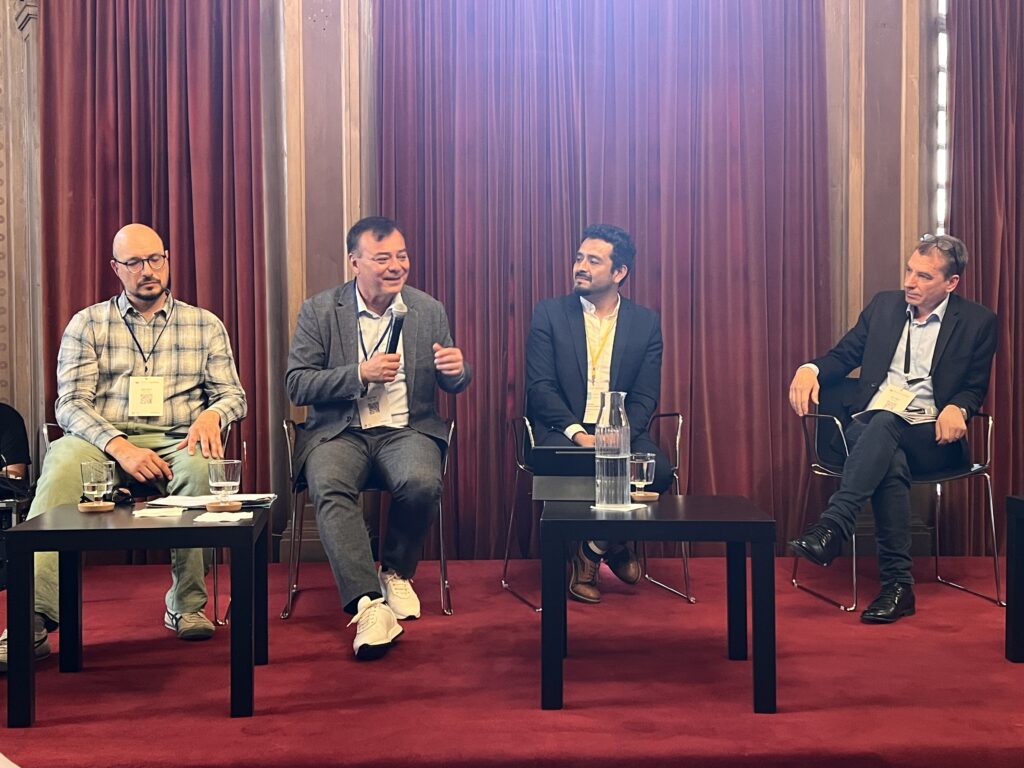
Bringing the debate back to implementation, Housing Europe’s Sorcha Edwards stressed that reliable processes are essential if public housing providers are to renovate faster and build resilience. She noted that procurement itself is an underestimated part of delivery, absorbing significant time and resources before a project even starts. In Sweden, she said, procedures can cost public housing providers around 10% more in time and finance than private actors face. She also pointed to different realities across Europe. In Estonia, for example, a large part of the challenge is persuading private homeowners to agree to renovation works. Her broader conclusion was that Europe must strengthen resilience while reducing dependence on polluting energy sources.
Kees Verschoor from the City of Utrecht offered a practical lesson in public commissioning. “We start with questions, tell us your problem, not your solutions.” The point was that cities should define outcomes and needs clearly, then allow the market room to innovate rather than prescribing every technical answer in advance.
Ana Proença from Portugal’s Institute of Housing and Urban Rehabilitation closed the discussion with a reminder that policy design is only half the task. Effective implementation, monitoring and troubleshooting on the ground remain persistent challenges, especially when unforeseen problems emerge during delivery.
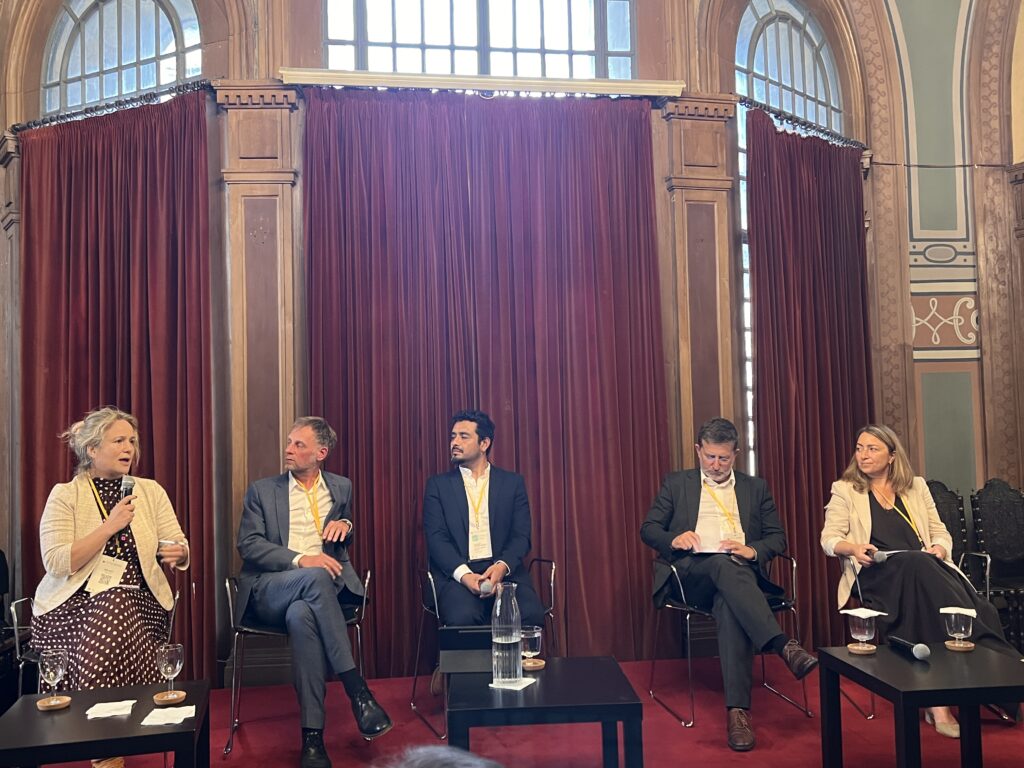
Governance, skills, trust and cooperation emerged in nearly every intervention, showing that procurement and partnerships will have to move from the margins of policy to the centre of delivery.
The policy backdrop
The policy backdrop is evolving quickly. Edit Lakatos from the Housing Task Force of the European Commission explained that under the current Multiannual Financial Framework, the EU is already mobilising at least €43 billion in housing-related investment, with a further €10 billion expected to be mobilised in 2026-2027 through InvestEU. She also highlighted that the mid-term review of Cohesion Policy has given Member States and regions more room to redirect funds towards affordable housing, on top of the €10.4 billion already planned for energy efficiency and social housing. So far, an additional €3.3 billion has been reallocated, including €656 million in Portugal, €1.1 billion in Italy and €268 million in Spain. She added that the Commission is also seeking pioneering countries and cities willing to shape new voluntary financial hubs to help Member States cooperate on housing finance and policy.
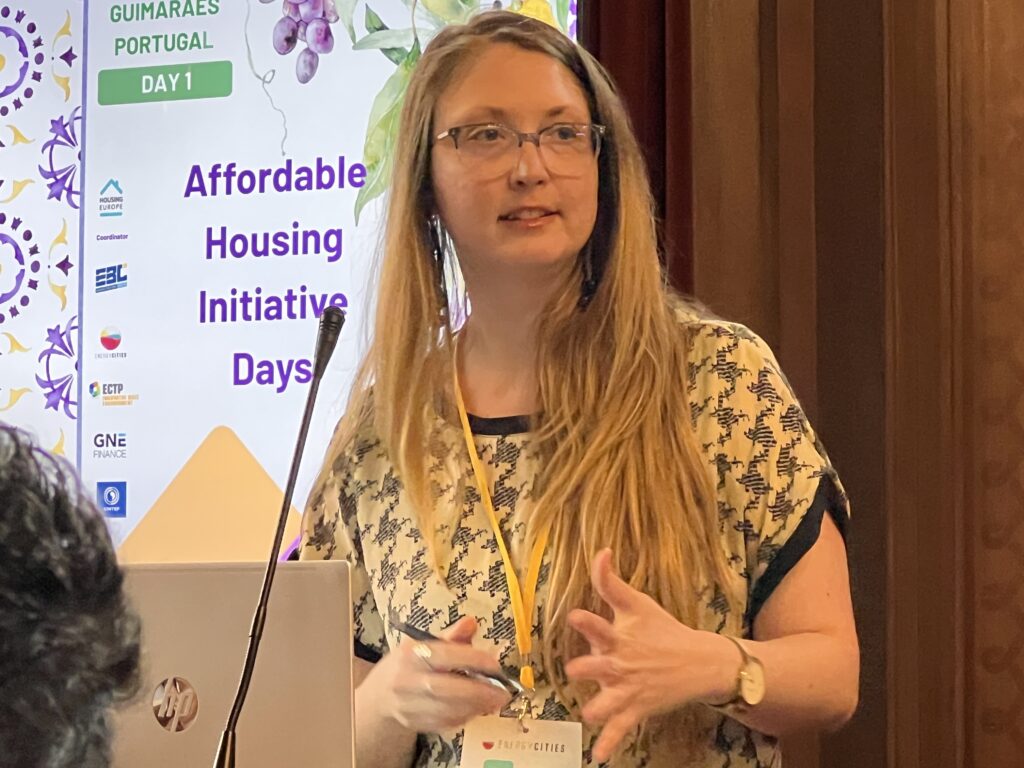
Building partnerships and coalitions – the social fabric of innovation
Part two of the day shifted the focus from procurement to the equally decisive question of delivery capacity, namely how to build the partnerships and coalitions that make neighbourhood transformation possible in practice. If the first session was about rules and finance, the second was about trust, governance and the social fabric that determines whether projects succeed once construction begins.
Moderated by João Gonçalves, coordinator of the initiative and Innovation Director at Housing Europe, the discussion opened with a keynote from Queena Qian of the Technical University of Delft, who distinguished between two models of cooperation. The first is the formal governance partnership, structured through contracts, procurement and clearly allocated responsibilities. The second is the adaptive implementation coalition which is a looser, trust-based network that evolves during delivery and helps solve problems institutions cannot anticipate in advance. Her argument was that successful district regeneration usually requires both, formal structures to organise investment, and informal coalitions to sustain momentum.

She illustrated that point with examples from Italy and Denmark. In Bologna’s Villaggio Gandusio, €170,000 was allocated specifically to the project’s “social layer”, around 2.4% of the total renovation budget. That funding supported community facilitators and even a handbook on how to be good neighbours, a reminder that coexistence, mediation and resident engagement cannot be side issues but core infrastructure for regeneration.
In Aalborg East, Denmark, a coalition of 180 partners took years to build but delivered measurable results: a 50% reduction in energy use and a 50% fall in criminality. Crucially, trust was not imposed from above. It began with a health centre proposed by residents themselves, giving the community an early and visible stake in the process. Qian’s conclusion was pointed: “We know what works. The question is why we keep designing systems that make it so hard to do. The gap is institutional.”
Stories from the Ground
The fireside conversation that followed brought those lessons back to lived experience. Winners of the European Responsible Housing Awards discussed how partnerships are built over time, how tensions are managed and why resident participation is often the difference between a technically sound project and a genuinely successful one. Fernanda Rodrigues of Matosinhos Habit, Maria Chiara Cela of the DAR=CASA cooperative in Milan, and José Tellez of Sostre Cívic each reflected on the practical realities of co-development. Progress is rarely linear, but durable outcomes depend on residents being treated as co-creators rather than end-users.
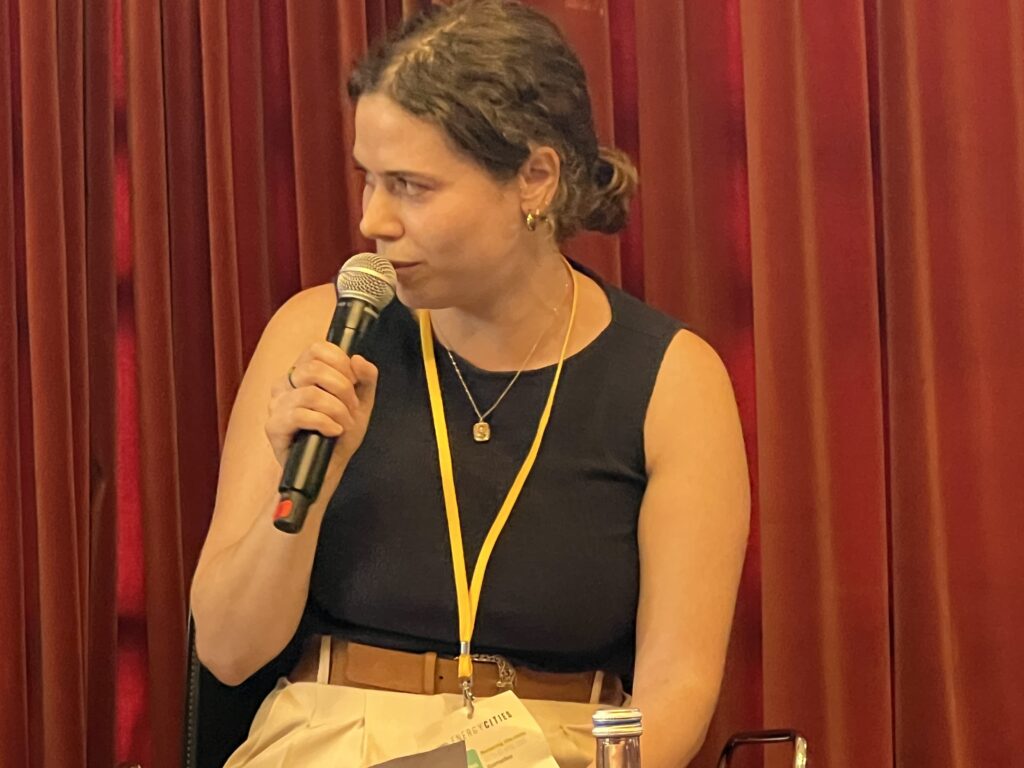
What is lacking at the local level
For Francesca Spigarolo of Fondazione Housing Sociale, what is still lacking is methodology. She called for a practical toolbox of guidelines for resident engagement that would clarify each phase of a project, define what is negotiable and what is not, and establish the “rules of the game” from the outset. In her view, participation works best when expectations are transparent and everyone starts from the same understanding.
Álvaro Salamanca of GNE Finance brought a financing perspective, arguing that strong partnerships reduce risk. For investors and lenders, projects built on credible local cooperation, shared objectives and stable governance structures are inherently more bankable than fragmented initiatives with unclear accountability.
Fernando Sigchos Jimenez of the European Builders Confederation returned to the need for collective solutions. He pointed to one-stop shops under the Energy Performance of Buildings Directive as a practical example of how partnerships are now being embedded in EU law. Their different formats across Europe reflect local choices, but their common logic is coordination. He argued that dialogue between builders, architects, local authorities and housing providers is essential if each actor’s strengths are to be used effectively. One persistent challenge, he added, is that the environmental and social added value of these models is still not always recognised by financial institutions.
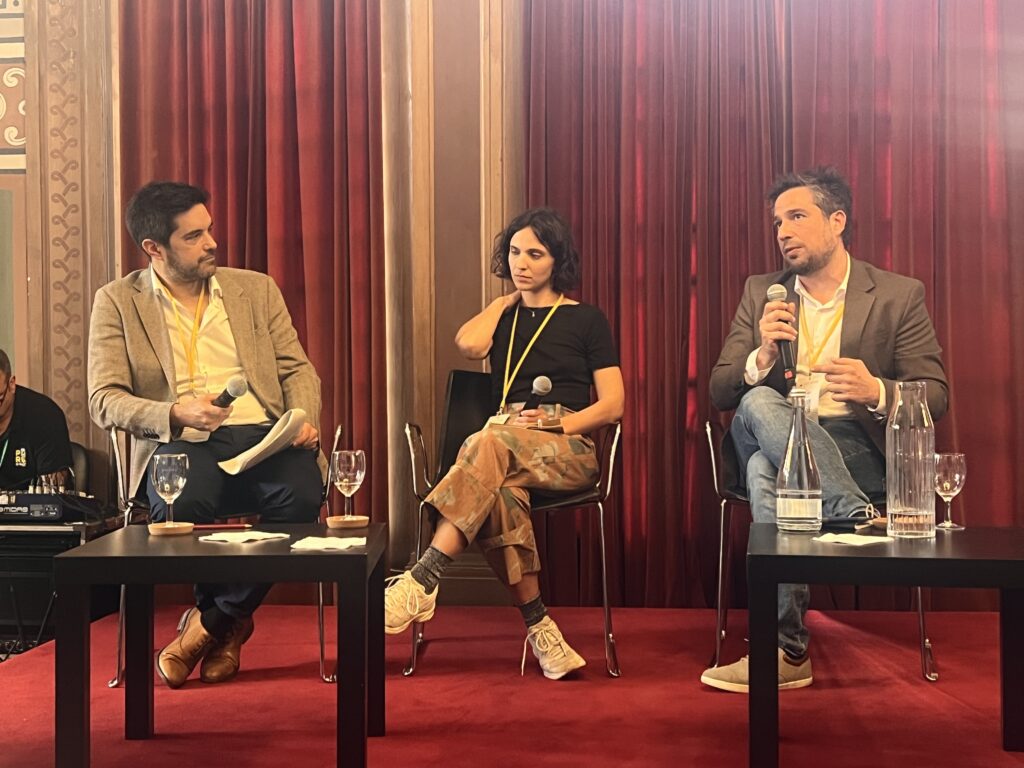
Building Brighter, Fairer Housing Futures
Closing the day, Housing Europe’s Sorcha Edwards placed the discussion in a wider context. At a moment when public debate is often dominated by conflict and polarisation, she argued that housing offers another path based on cooperation, inclusion and shared investment in communities. “We do have another way,” she said. “It is not just destruction and violence.”
We ended with a concrete commitment. Our three partners, Housing Europe, Energy Cities and the European Builders Confederation (EBC) signed a joint declaration to work together for cleaner, reliable energy and better neighbourhoods.
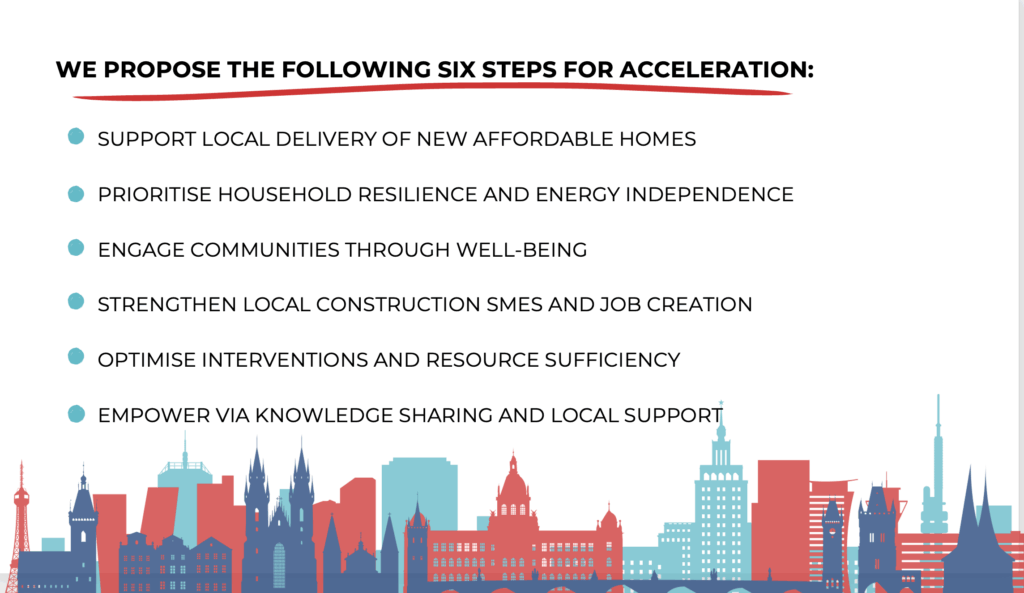
The declaration sets out six shared priorities: supporting the local delivery of new affordable homes, particularly through social, cooperative and public housing; prioritising household resilience and energy independence; engaging communities through wellbeing; strengthening local construction SMEs and job creation; optimising interventions and resource sufficiency; and empowering communities through knowledge-sharing and local support.